Osteopathy for Migraines and Headaches in Majorstuen, Oslo
By Tony BansiPublished October 6, 2026
Headaches are among the most common health complaints and can have a significant impact on daily life, work performance, sleep, and overall wellbeing. While headaches may arise from a variety of causes, many people experience improvement when underlying musculoskeletal and functional factors are identified and addressed.
At Majoustuklinikken Osteopathy, we take a holistic approach to assessment and treatment, considering how different systems within the body may contribute to headache symptoms. Rather than focusing solely on the location of pain, we aim to identify potential contributing factors and address the body as an integrated whole.
What Can Cause Headaches?
Headaches and migraines can be influenced by a range of factors, including:
Neck and upper back dysfunction
Muscle tension in the neck, shoulders, and jaw
Poor posture and prolonged screen use
Stress and fatigue
Temporomandibular joint (TMJ) dysfunction
Eye strain
Reduced mobility in the cervical spine
Hormonal influences
Sleep disturbances
Previous injuries or trauma
In some individuals, tension and movement restrictions elsewhere in the body may also contribute to patterns of strain that influence headache symptoms.
Because headaches can have many different causes, a detailed history and examination are essential before treatment begins.
Cervicogenic Headaches
One common type of headache treated by osteopaths is the cervicogenic headache. These headaches originate from dysfunction within the neck and surrounding structures.
Typical features of cervicogenic headaches include:
Pain beginning in the neck or base of the skull
Headache that spreads towards the forehead, temple, ear, or eye
Pain that is often felt on one side
Neck stiffness or reduced mobility
Headaches triggered or aggravated by neck movement or prolonged postures
Cervicogenic headaches may begin intermittently but can become more persistent if underlying factors are not addressed.
How Neck Dysfunction Can Contribute to Headaches
Dysfunction within the cervical spine can contribute to headaches in several ways.
Tension within the neck and shoulder muscles may refer pain into the head. Restricted movement in the upper cervical joints may increase strain on surrounding tissues and contribute to irritation of structures associated with headache symptoms. Reduced mobility, postural strain, and muscular imbalance can all play a role in maintaining headache patterns.
A thorough osteopathic assessment helps identify which factors may be contributing to your symptoms.
How Osteopathy Can Help
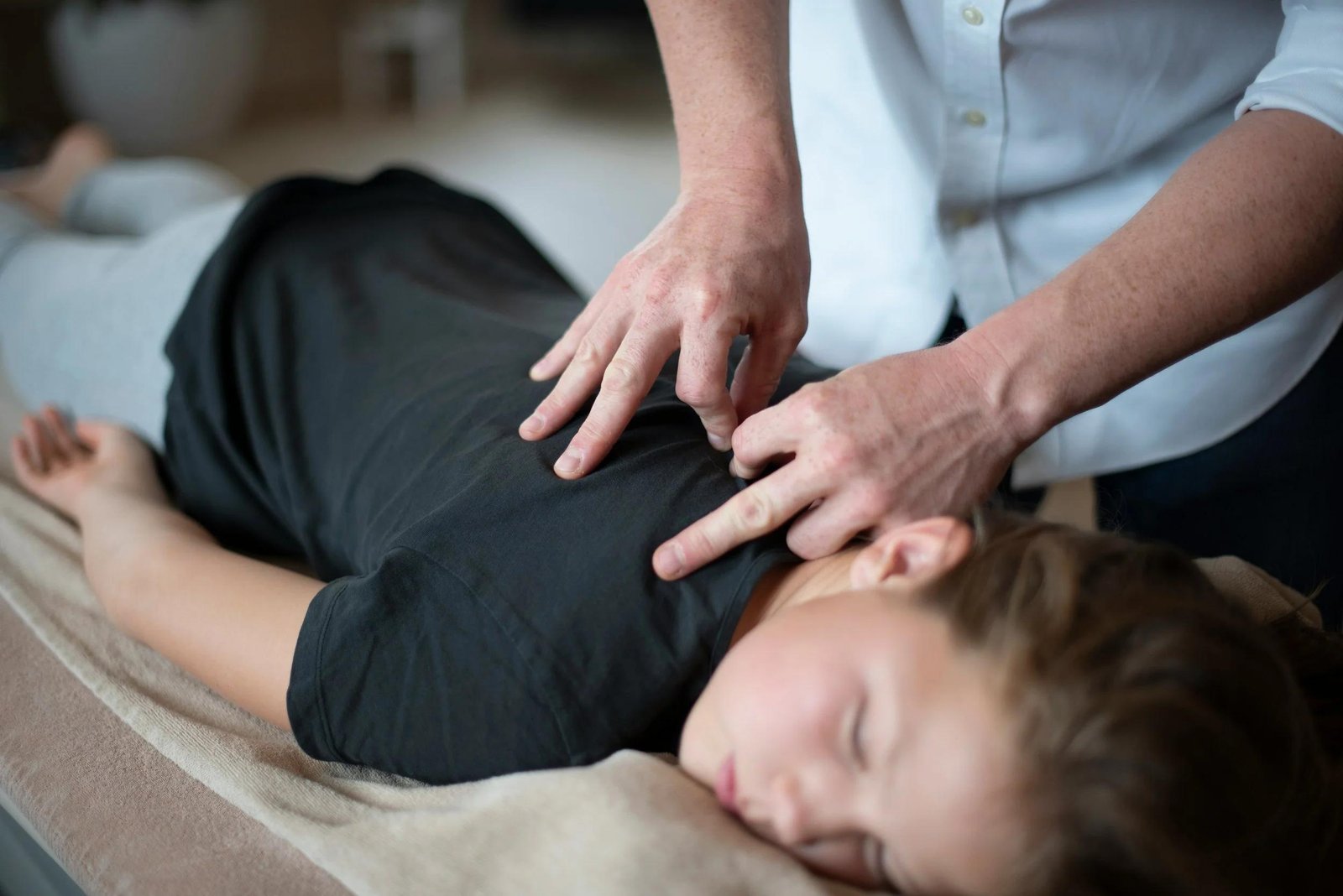
Osteopathic treatment aims to improve movement, reduce tension, and support the body's natural ability to adapt and recover.
Treatment may help to:
Reduce muscular tension in the neck, shoulders, and jaw
Improve mobility of the cervical spine and upper back
Reduce strain on joints and connective tissues
Improve posture and movement patterns
Support overall function and wellbeing
Reduce the frequency or intensity of headache episodes in some patients
Every treatment plan is tailored to the individual following a comprehensive assessment.
Osteopathic Treatment Techniques
Soft Tissue Release
Soft tissue techniques can help reduce muscular tension, improve circulation, and address trigger points that may contribute to headache symptoms.
Muscle Energy Techniques (MET)
Muscle Energy Techniques use gentle muscle contractions to improve flexibility, reduce tension, and restore normal movement patterns.
Joint Mobilisation and Manipulation
Where appropriate, mobilisation and manipulation techniques may be used to improve spinal mobility and reduce mechanical strain within the neck and upper back.
Cranial-Sacral Osteopathy
Cranial-sacral osteopathy is a gentle treatment approach that focuses on the relationship between the head, spine, connective tissues, and pelvis. Treatment aims to support overall balance and function throughout the body.
Advanced Brain-Based Osteopathic Approaches
At Majoustuklinikken Osteopathy, we are among a small number of osteopaths in Norway who have completed advanced postgraduate training in Brain Osteopathy through the Barral Institute. This additional training complements our holistic approach and broadens the range of assessment and treatment options available to our patients.
A Whole-Body Approach
Osteopathy is based on the principle that the body functions as an interconnected unit. For this reason, we consider not only the head and neck but also the potential influence of the jaw, spine, pelvis, breathing patterns, posture, and overall movement.
By identifying and addressing contributing factors throughout the body, we aim to support long-term improvements rather than simply managing symptoms.
When Should You Seek Medical Advice?
Although many headaches are related to musculoskeletal and functional factors, some headaches require prompt medical assessment.
You should seek medical advice if you experience:
New or unusually severe headaches
Headaches that wake you during the night
Headaches that are progressively worsening
Severe headaches on waking
Headaches accompanied by vomiting
Sudden onset of an extremely intense headache
Headaches associated with weakness, speech difficulties, visual disturbances, or other neurological symptoms
If you experience severe symptoms or sudden changes in your condition, seek immediate medical attention.
Book an Appointment
If you are experiencing recurrent headaches, migraines, neck-related headaches, jaw tension, or persistent neck stiffness, Majoustuklinikken Osteopathy in Majorstuen, Oslo, can provide a comprehensive osteopathic assessment and personalised treatment plan tailored to your needs.
Tony Bansi
DO Osteopath MNOF, member of the Norwegian Osteopaths Association.
Share this article:
Kirkeveien 61, 0364 Oslo. Tel. 905 21 421 // post@tony-bansi.no
We use cookies to improve functionality and analyze performance.
Manage cookies
Necessary
Always on
Necessary to enable core functionality of the website, and to remember user preferences and choices, such as language settings or custom settings.
Performance and analysis
These cookies provide quantitative measurements of website visitors. These cookies allow us to count visits and traffic sources to improve website performance.
Advertising
These cookies are used by advertising companies to display ads that are relevant to your interests.